
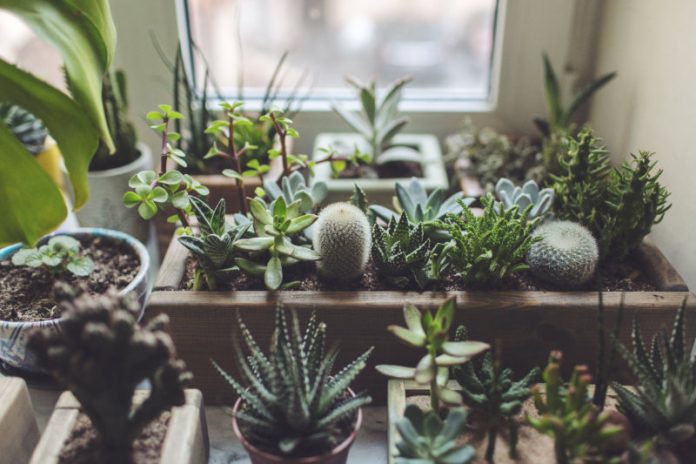
Everyone loves houseplants, but despite best efforts to help keep your beloved greenery healthy, sometimes their foliages, stems and florals can have a method of drooping, wilting and drying out for the purpose appears like no no reason.
If your plants affect fall sick with little explanation, don’t give up yet. Try handling the bottom of your houseplant troubles if we do investigation. That can assist you on this quest, we’ve parsed together some of the most typical ailments that may prevent your houseplants from thriving, as well as how you can spot each issue also to ways to correct it.
#div-gpt-ad-1525702346961-4
margin: 10px 25px 10px 0px;
#div-gpt-ad-1525702502842-1
margin: 10px 25px 10px 0px;
6 Common Houseplant Problems
From over-watering to root rot, we’ve listed the many most usual problems your plant could fall prey to.
1. Overwatering
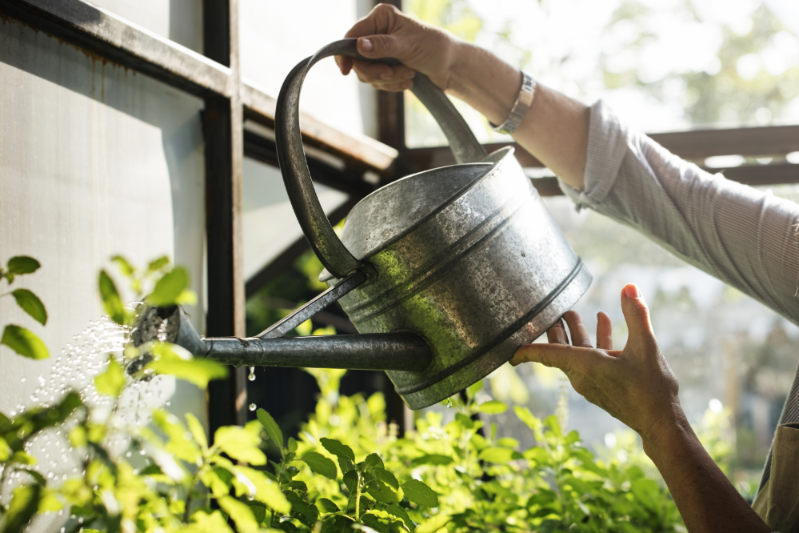
Although watering your plants is important to maintaining?your plant’s life, there’s such a thing as too much water. If that’s the fact you’ll see wilting and liver spots against your plant leaves that provide being a danger signal to go somewhat easy on watering. If left unnoticed, overwatering could quite possibly end in root rot.
#div-gpt-ad-1525702346961-5
margin: 10px 25px 10px 0px;
#div-gpt-ad-1525702502842-2
margin: 10px 25px 10px 0px;
If your plant is overwatered, then move it to your shaded area and start to gauge it by using these simple actions:
- Make sure there isn’t any mold or algae growing from the soil.
- Uproot your plant and absorb your roots. Note: Healthy roots need to be white.
- Leave guarana beyond your pot for a number of hours. Then, place the?plant into a new pot with new soil.
2. Root Rot
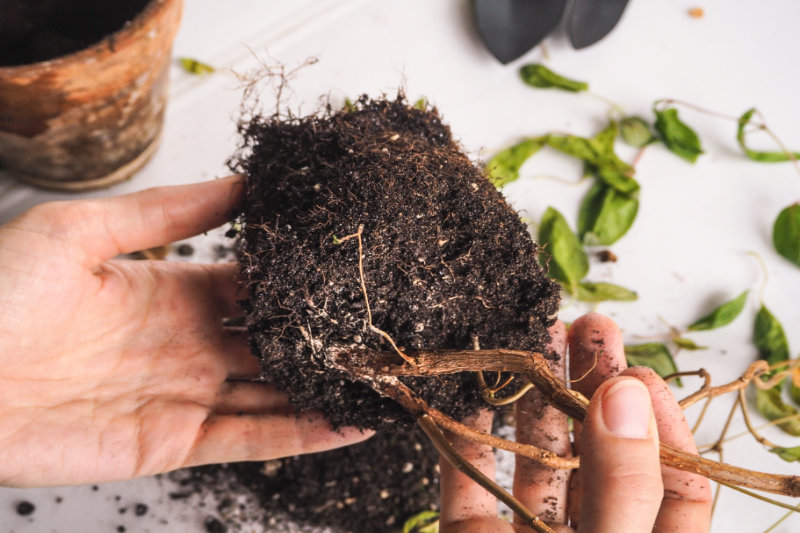
If you notice your houseplants start to look wilted and discolored, it is a great idea to look at roots. Without adequate?drainage, your houseplant can potentially experience root rot, which because the name suggests, is a rotting of one’s plant’s roots.
#div-gpt-ad-1525702502842-3
margin: 10px 25px 10px 0px;
To create the appropriate assessment, gently take your plant out from the soil and consider its roots. Should your roots look mushy and fragile, gently rinse off the roots and trim away what looks infected. Once you’ve finished, repot the rose in fresh soil in a very container with a lot of drainage.
3. Not Enough Sun
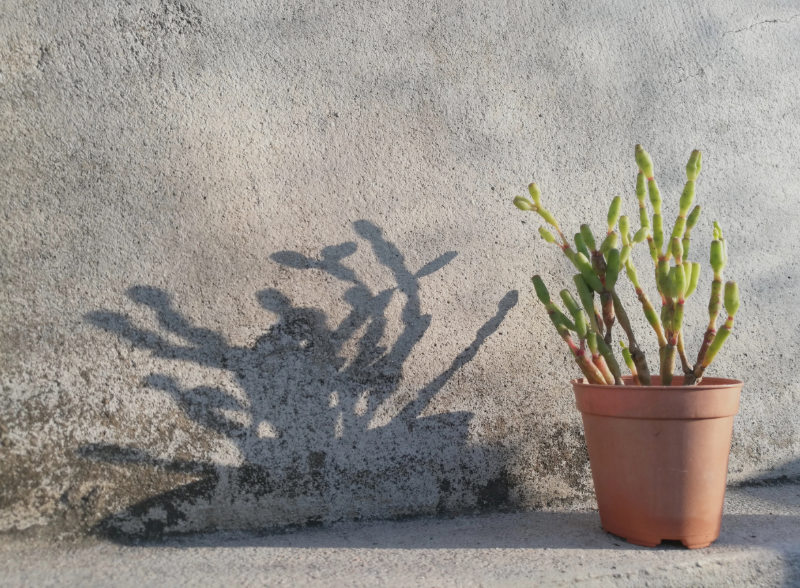
Everyone knows how imperative it can be for your plant to get sunlight. While all vegetation is different and need to have a different volume of sun, flowering plants need sun the best. Once the leaves start to yellow as well as the newer growth is neglecting to grow to the adult size, then this means your plant may require some more direct light.
#div-gpt-ad-1525702502842-4
margin: 10px 25px 10px 0px;
Try moving your plant even closer a window to get more sun damage.
4. Temperature
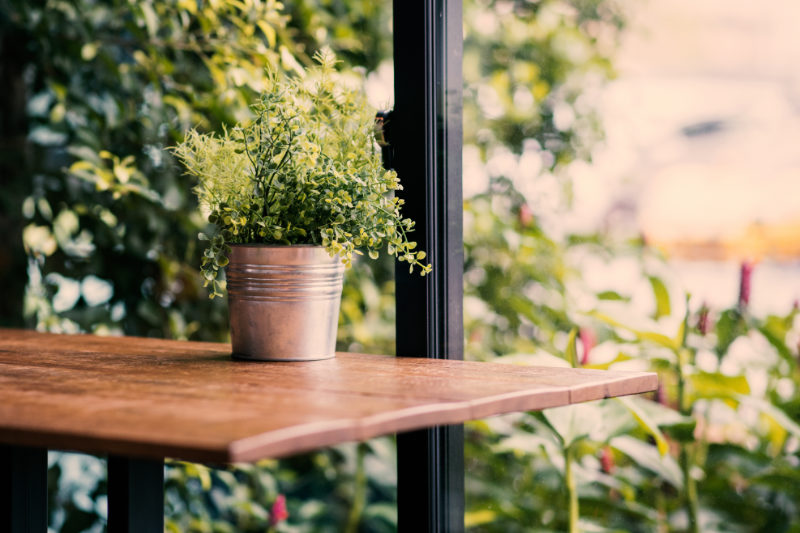
Everything in your life requires consistency and vegetation is no different. In case there are many different temperature?ranges, your plants aren’t?likely to respond effectively. A good way to ensure you’re not causing an excessive amount of temperature shifts in your indoor plant is always to avoid?moving your potted plant between different rooms.
Each room does have it’s environment, including the slightest improvement in temperature?between rooms is capable of doing difficulties for your houseplants. At nighttime, seek to mimic the circumstances your plant knows by nature by adjusting the thermostat just a little.
5. Nutrient Deficiency
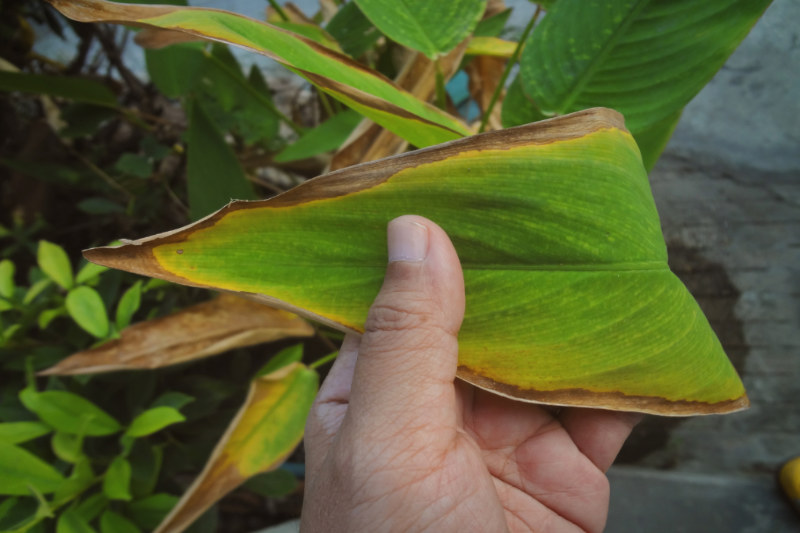
If your leaves start to look discolored, this might be a warning sign that your particular houseplant is lacking nutrients. You will discover three most important nourishment your plant needs:
- Nitrogen
- Phosphorous
- Potassium
If nutrient deficiency has become so, it may be easily addressed the actual addition of some nutrient-rich fertilizer into your pot. You may also try different organic solutions like adding coffee grounds or egg shells to the houseplant soil to improve its nutrient content.
6. Dry Air
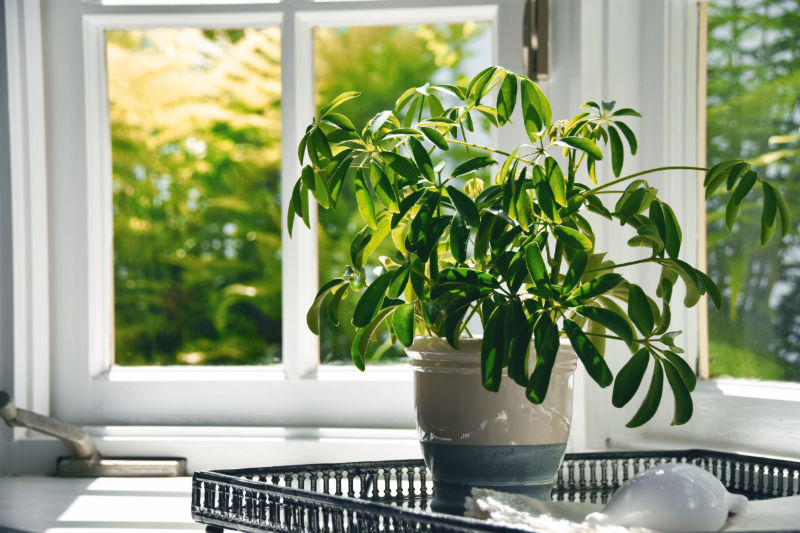
Although different plants might need specific treatments on the subject of factors such as temperature and water,?the first thing houseplants share is most of them cannot thrive in dry air. Plants prefer moist and slightly humid environments.
If your plants are browning and lightly becoming dry, this can imply your plants are craving more moisture in mid-air. You are able to fix this trouble by causing certain your plant isn’t placed near any options for heat and after that occasionally mist your plant with water to forestall it from blow drying.
Another choice is to place a tray with water and pebbles beneath your potted house plant. The stream that can’t be absorbed by your roots will eventually evaporate and boost the level of moisture up surrounding your plant.
The content with this Website is for informational purposes only, is general anyway and is not designed diagnose, treat, cure or prevent any disease, and also constitute professional advice. The results on this internet site must not be regarded as complete as well as cover all diseases, ailments, physical conditions, or their treatment. You need to consult with a medical doctor before beginning any exercise, weight loss, or medical program and/or any of the beauty treatments.
References
Welch, S. (2017, March 21). Ways to diagnose common houseplant problems. Retrieved from https://www.farmanddairy.com/top-stories/how-to-diagnose-common-houseplant-problems/404794.html