

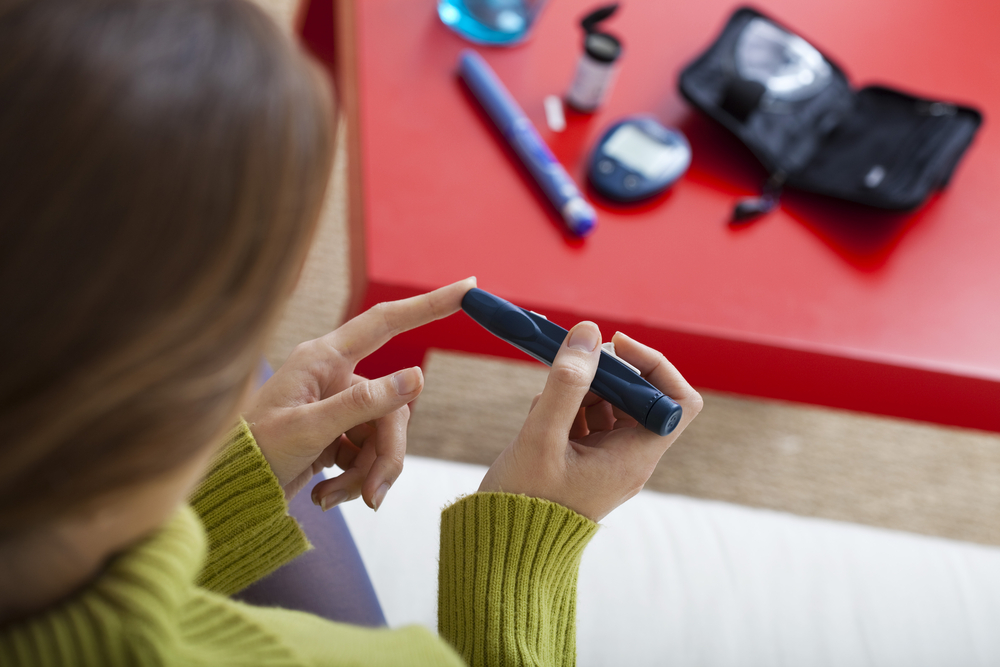
According to the International Diabetes Federation, around 425 million persons in the planet that have diabetes. But, never assume all diabetes is the similar. Most people diagnosed or undiagnosed Is usually but among children and adolescents, Your body is a lot more prevalent. Amount of mortgages there are actually 2million children and adolescents who are afflicted by this method of diabetes.
What is Type 1 Diabetes?
Type 1 diabetes (T1D) is an autoimmune disease where body attacks the beta cells inside pancreas. The pancreas is a organ in digesting and regulating sugar. Once the immunity mechanism attacks the beta cells or maybe the B cells on the pancreas, it strips away the pancreas’s chance to produce insulin. Without insulin, glucose should not be made use of by the body for cellular activity. Essentially, the foreclosure of insulin means losing the action supply our cells should function. The start of T1D usually occurs almost all of the beta cells were destroyed. Thus, when people are diagnosed, they will often have to begin to use insulin pumps and insulin injections at once.
While adults can nevertheless be told you have T1D, it is usually more widespread in kids and adolescents. For this reason it turned out formerly called juvenile-onset diabetes with all the day of diagnosis usually during 10-14 yr old. When someone is diagnosed with T1D, doctors often educate patients to look for:
- Hypoglycemia. When blood glucose levels plunges down, the entire body also shuts down. Common symptoms include tremors, a pounding heart, weakness, dizziness, and hunger. Small blood glucose may also result in loss of awareness. If ever the body gets familiar with hypoglycemia, the sufferer can produce hypoglycemia unawareness where no symptoms are detected. Eventually, the trouble may result in death.
- Hyperglycemia. Excessive variety of glucose while in the bloodstream is designers you. Unlike hypoglycemia, hyperglycemia will not present any symptoms until as soon as the blood sugar is extremely high. Symptoms to seem out are thirstiness, frequent urination, fatigue, headache, and blurred vision. High blood sugar can result in several complications.
People with T1D may also be in danger to be affected by several complications. Those told you have T1D are 10 times going to suffer from the cardiovascular diseases like myocardial infarction, stroke, or angina. Other complications include nephropathy, damage to the kidneys, and in some cases end-stage renal disease; neuropathy, nerve disorders that cause problems in detecting temperature, touch, muscle movement, and pulse rate; and retinopathy, problems from the problematic veins within the retina which produce blindness.
T1D is actually a costly disease what design study estimates for being $14 billion annually in the nation. The treatments for T1D is all-encompassing and involves a total community of doctors, dietitians, nutritionists, and health trainers.