

Summer is the perfect time for them to bask in the ambiance with the summer along with the beautiful scenery, especially?when camping. When you’re planning a camping trip with your loved ones, it’s important to know very well what to stay away from, specifically poisonous plants.
While wasting time in the wild is a mesmerizing experience, it can be accompanied by harmful consequences if you’re not careful, as well as a beautiful experience can turn into a holiday to the hospital.?Quit you need to happen while you’re hiking or camping is having to handle a painful and irritating burning sensation after you accidentally?improve against a poisonous plant.
#div-gpt-ad-1525702346961-4
margin: 10px 25px 10px 0px;
#div-gpt-ad-1525702502842-1
margin: 10px 25px 10px 0px;
Plants certainly are a an important part of our everyday lives, but we are inclined to forget that not all vegetation is people-friendly. By getting familiar with the most popular poisonous plants and being aware they’re like is the better way of avoiding potential accidents to get the most from your camping trip.
These will be the five poisonous?plants try your very best self to avoid by any means.
#div-gpt-ad-1525702346961-5
margin: 10px 25px 10px 0px;
#div-gpt-ad-1525702502842-2
margin: 10px 25px 10px 0px;
Poison Oak

Poison oak is primarily?perfectly located at the western an important part of Canada and america. If you have developed inside the American, you’ve learned that this plant is certainly one in order to avoid. It’s identified by its oval-shaped, oak-like leaves that grow in multiple threes and consist of several with a reddish?color, with respect to the time of the year.
The oil in oak leaves could cause an itchy reaction, if you’re hiking the Pacific Coast Trail or anywhere west of the Rockies, be aware of this plant.
#div-gpt-ad-1525702502842-3
margin: 10px 25px 10px 0px;
Poison?Ivy

We all have heard the term “leaves of three, let it be.” Well, this phrase is imperative on the subject of identifying poison ivy. This plant grows on U.S. especially?east of your Rocky Mountains.
Despite this plant being named poison ivy, it isn’t truly an ivy. Its leaves range between light-green to red, according to the season. If however you get in touch with it, you’ll experience?blisters with red and itchy skin.
#div-gpt-ad-1525702502842-4
margin: 10px 25px 10px 0px;
Poison Sumac

Poison sumac is found eastern U.S. also in Canada. This plant grows into small trees near swamps, wetlands and bogs. Experience of poison sumac can lead to the identical respond to the items discussed poison ivy and poison oak. Reason being is that the three provide an oily allergenic?substance called Urushiol.
Stinging Nettle

Stinging Nettle is available throughout the U.S. and Canada. It’s covered in small hairs that represent hypodermic needles. When someone has connection with this plant, the hairs will inject irritants to the skin creating a burning?and itchy?sensation.
Manchineel
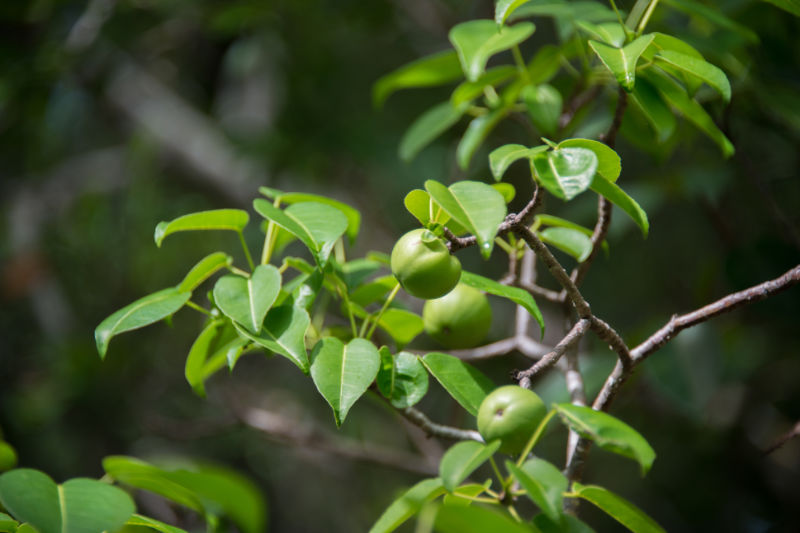
Manchineel?has often been often called?”arbol en muerte,” meaning tree of death. This tree may look innocent, one should avoid it at all cost. Manchineel?may be found in areas of Florida and during the entire Caribbean.
The poisonous fruits that Manchineel produces will vary 1-2 2 ” in dimensions and in addition they look just like apples. But it’s not only the fruits which are poisonous simply because this whole tree is toxic. Only 1 quick brush from this tree will make for your bad day.
The content of this Web site is for informational purposes only, is general in general and is not designed diagnose, treat, cure or prevent any disease, and also constitute professional advice. The information on this Website should not be proved to be complete and cover all diseases, ailments, physical conditions, or their treatment. It is best to consult with a family doctor before you start any exercise, weight reduction, or heath care treatment program and/or any one of the beauty treatments.
References?
Plants To stop When Camping and Hiking | Poisonous Plants to Avoid. (2018, July 19). Retrieved from http://www.oralivy.com/plants-to-avoid-when-camping-and-hiking/